CAFE-III Draft Released: Ethanol and Biofuel Vehicles Set to Receive Major Incentives from 2027
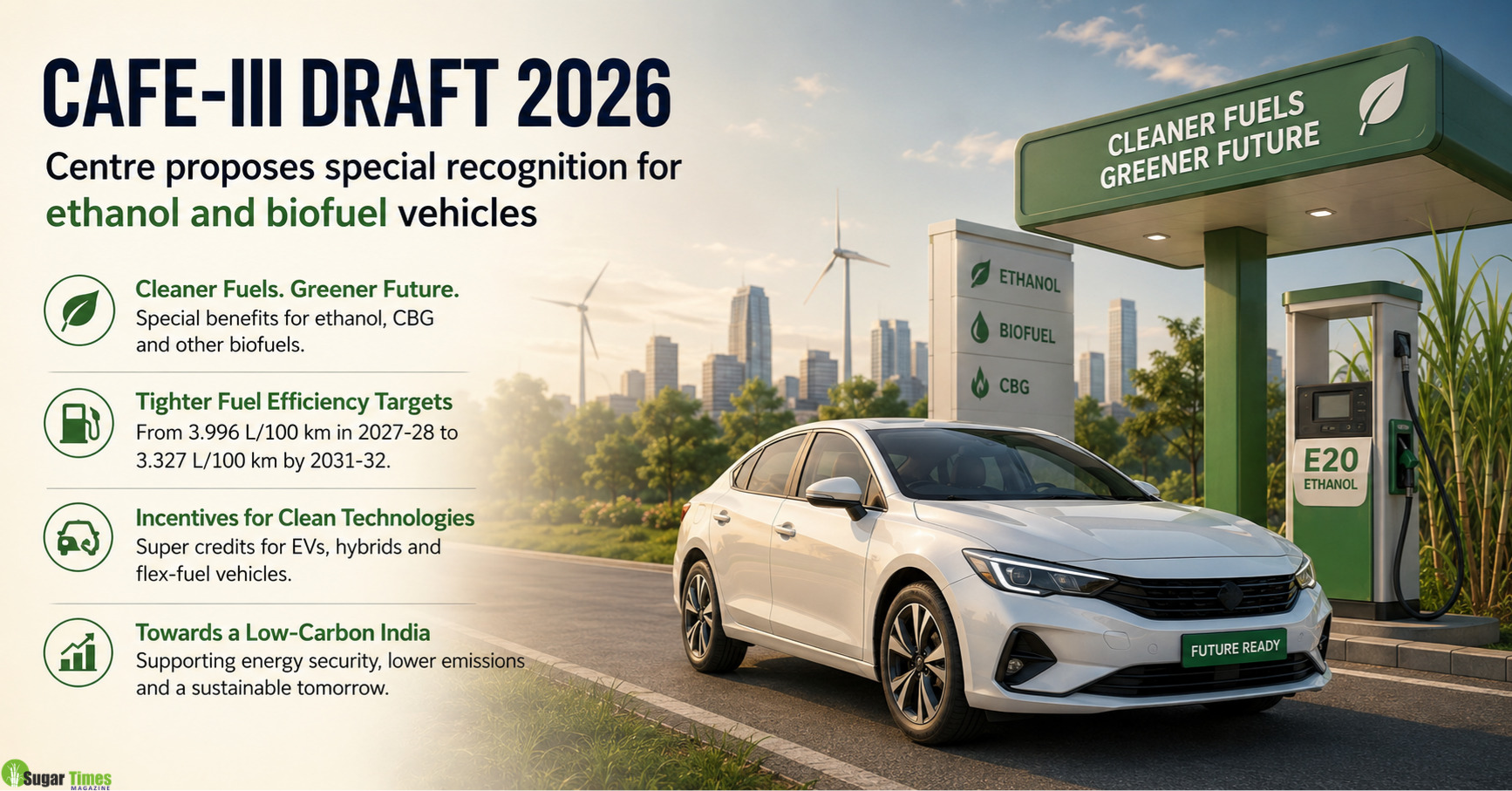
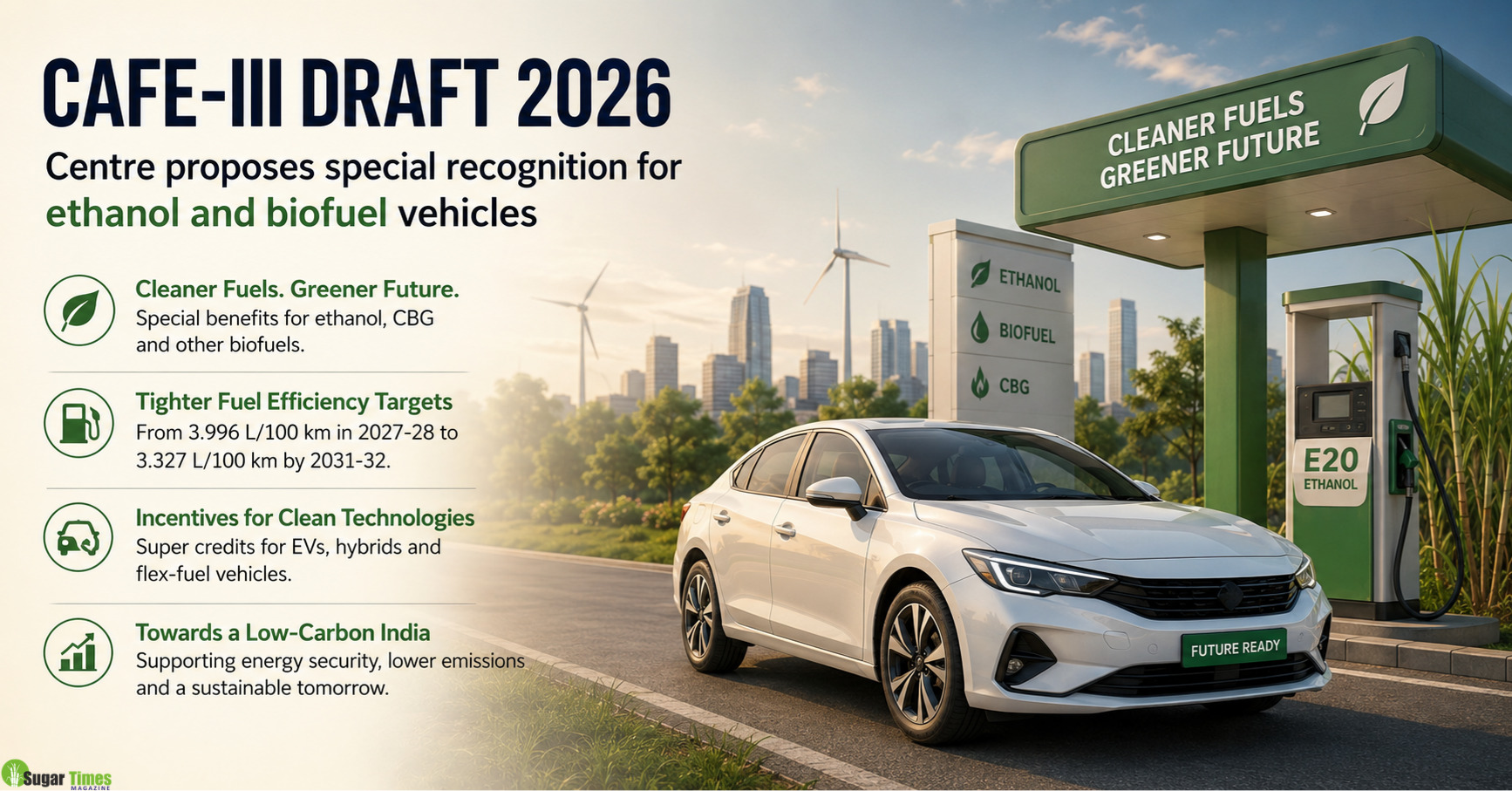
New Delhi: The Government of India has released the draft Corporate Average Fuel Efficiency (CAFE)-III norms for public consultation, proposing stricter fuel efficiency and carbon emission standards for passenger vehicles from April 1, 2027. For the first time, the draft gives special recognition to ethanol, compressed biogas (CBG), and other biofuel-powered vehicles, allowing automakers to receive additional compliance benefits.
Industry stakeholders have been invited to submit their comments and suggestions on the draft by August 6, 2026.
Fuel Efficiency Targets to Become More Stringent by 2032
Under the proposed CAFE-III regulations, vehicle manufacturers will be required to continuously improve the average fuel efficiency of their passenger vehicle fleets. The proposed targets are:
- 2027–28: 3.996 litres per 100 km (94.76 gCO₂/km)
- 2031–32: 3.327 litres per 100 km (78.90 gCO₂/km)
According to the government, the phased tightening of these standards will provide automakers with a clear roadmap to develop and introduce more fuel-efficient vehicles.
Major Boost for Ethanol and Biofuel Vehicles
One of the most significant features of the draft is the introduction of Carbon Neutrality Factors (CNFs). Under this proposal, vehicles powered by ethanol, compressed biogas, and other renewable fuels will be allowed to report lower effective tailpipe carbon dioxide emissions for compliance purposes.
For the current ethanol blending level, the government has proposed an 8% reduction in declared emissions. Similar benefits for CBG and other biofuels will be linked to their prevailing blending levels.
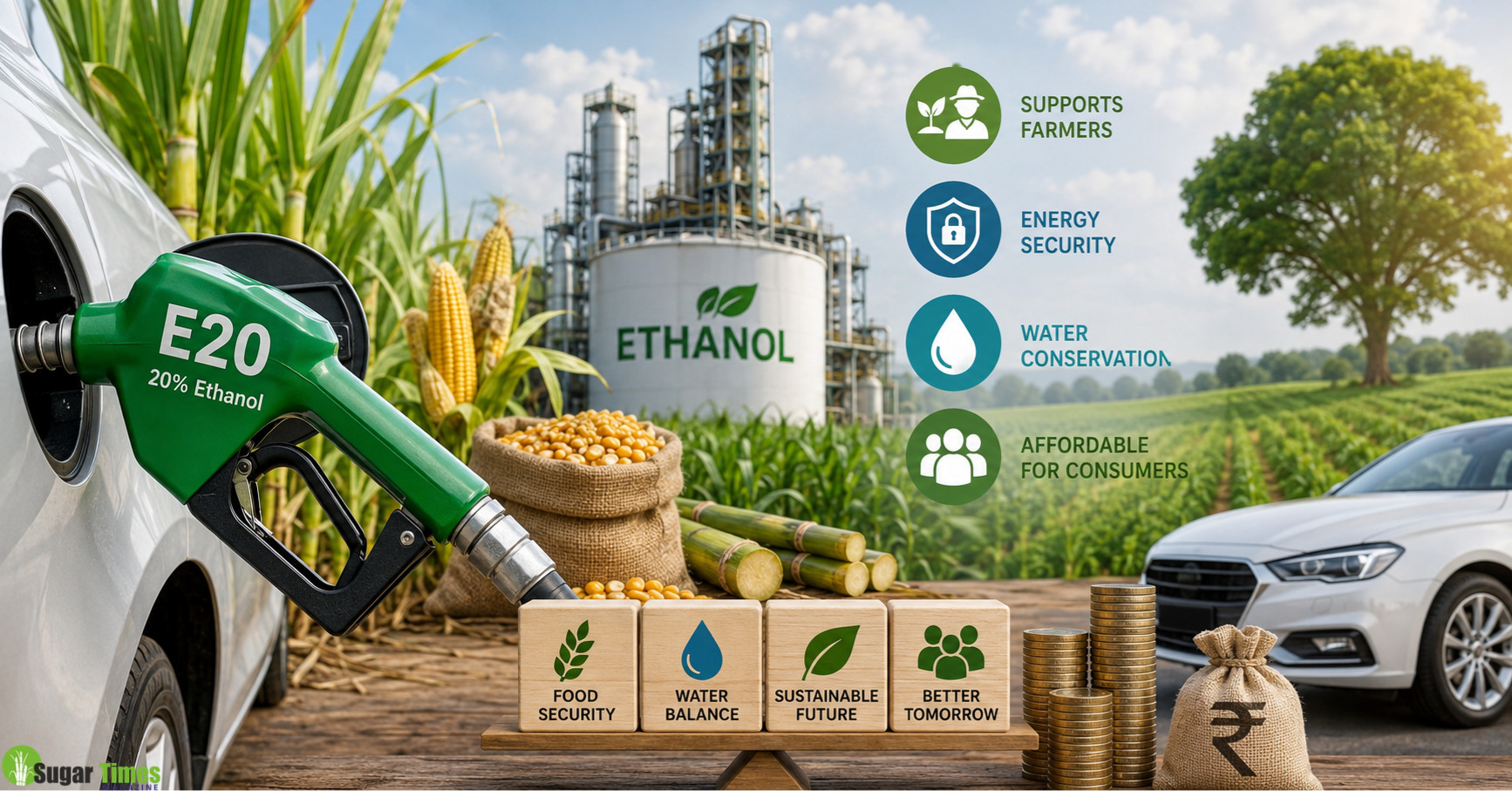
The proposal is expected to strengthen India's ethanol blending programme while supporting cleaner mobility and lower carbon emissions.
Flex-Fuel and Electric Vehicles to Receive Additional Benefits
The draft also proposes super credits for manufacturers producing cleaner vehicle technologies, including:
- Battery Electric Vehicles (BEVs)
- Plug-in Hybrid Electric Vehicles (PHEVs)
- Strong Hybrid Electric Vehicles (SHEVs)
- Range-Extended Electric Vehicles (REEVs)
- Flex-Fuel Vehicles (FFVs)
These incentives are designed to encourage the adoption of advanced low-emission vehicle technologies while helping manufacturers meet fleet-wide efficiency targets.
Additional Credits for Fuel-Saving Technologies
Manufacturers adopting approved fuel-saving technologies will also receive compliance incentives. The proposal allows benefits of up to 9 gCO₂/km, with a maximum credit of 1 gCO₂/km per approved technology.
Shift to Block-Based Compliance
Unlike the existing annual compliance framework, the draft proposes evaluating manufacturers over two compliance blocks:
- First Block: Three years
- Second Block: Two years
Manufacturers that outperform their prescribed targets will earn compliance credits, which can be carried forward and used within the designated compliance periods.
Auto Industry Divided Over the Proposal
The proposed CAFE-III norms have triggered differing views within the automobile industry. Manufacturers of smaller and larger vehicles have expressed contrasting opinions regarding the structure of the regulations, with multiple industry groups expected to submit recommendations before the consultation deadline.
Supporting India's Clean Mobility Goals
Industry experts believe the proposed CAFE-III framework could significantly accelerate India's transition toward cleaner transportation by encouraging ethanol, biofuel, flex-fuel, hybrid, and electric vehicles. The policy is also expected to strengthen the country's energy security, reduce greenhouse gas emissions, and promote wider adoption of renewable fuels in the automotive sector.