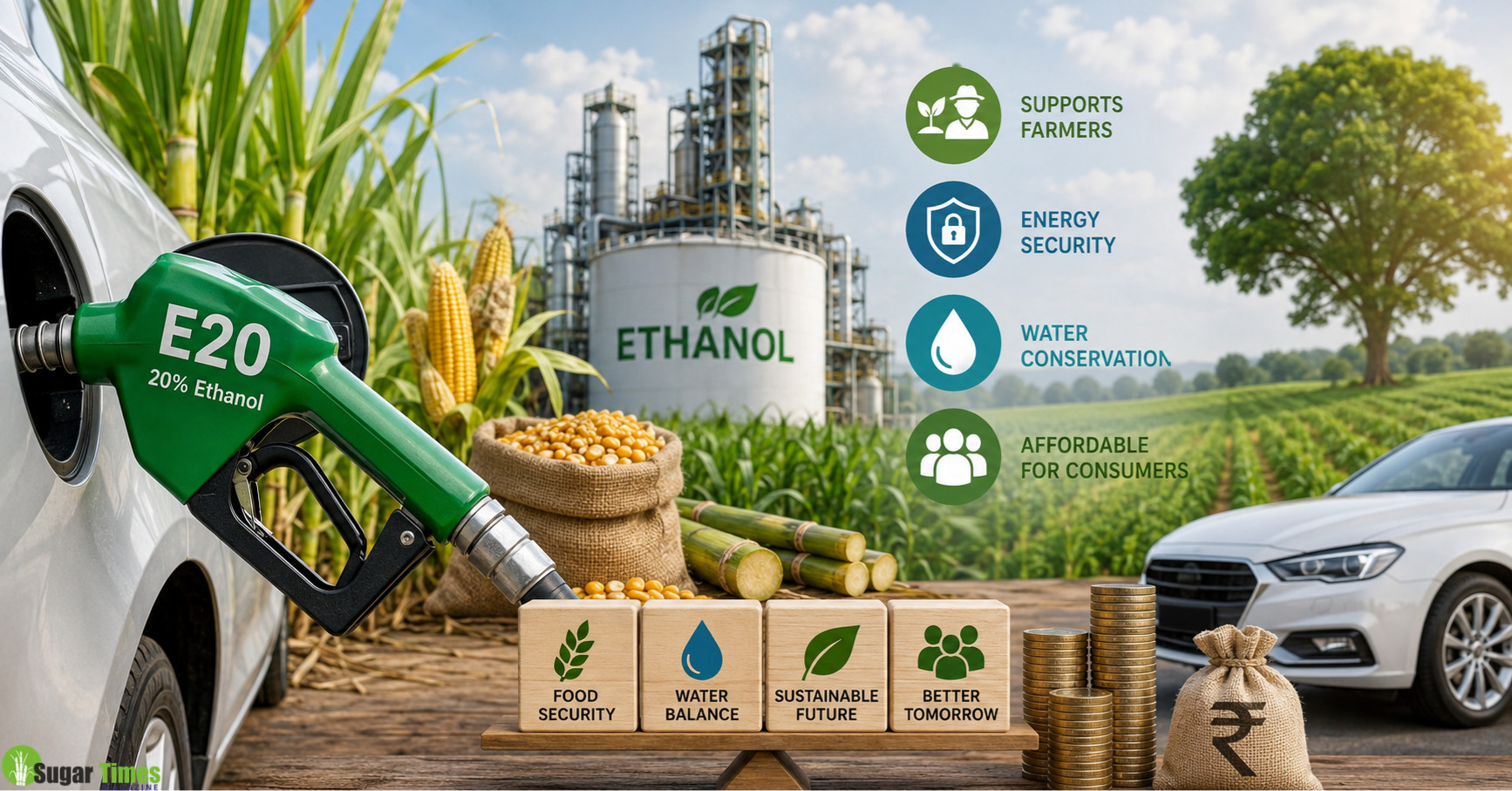
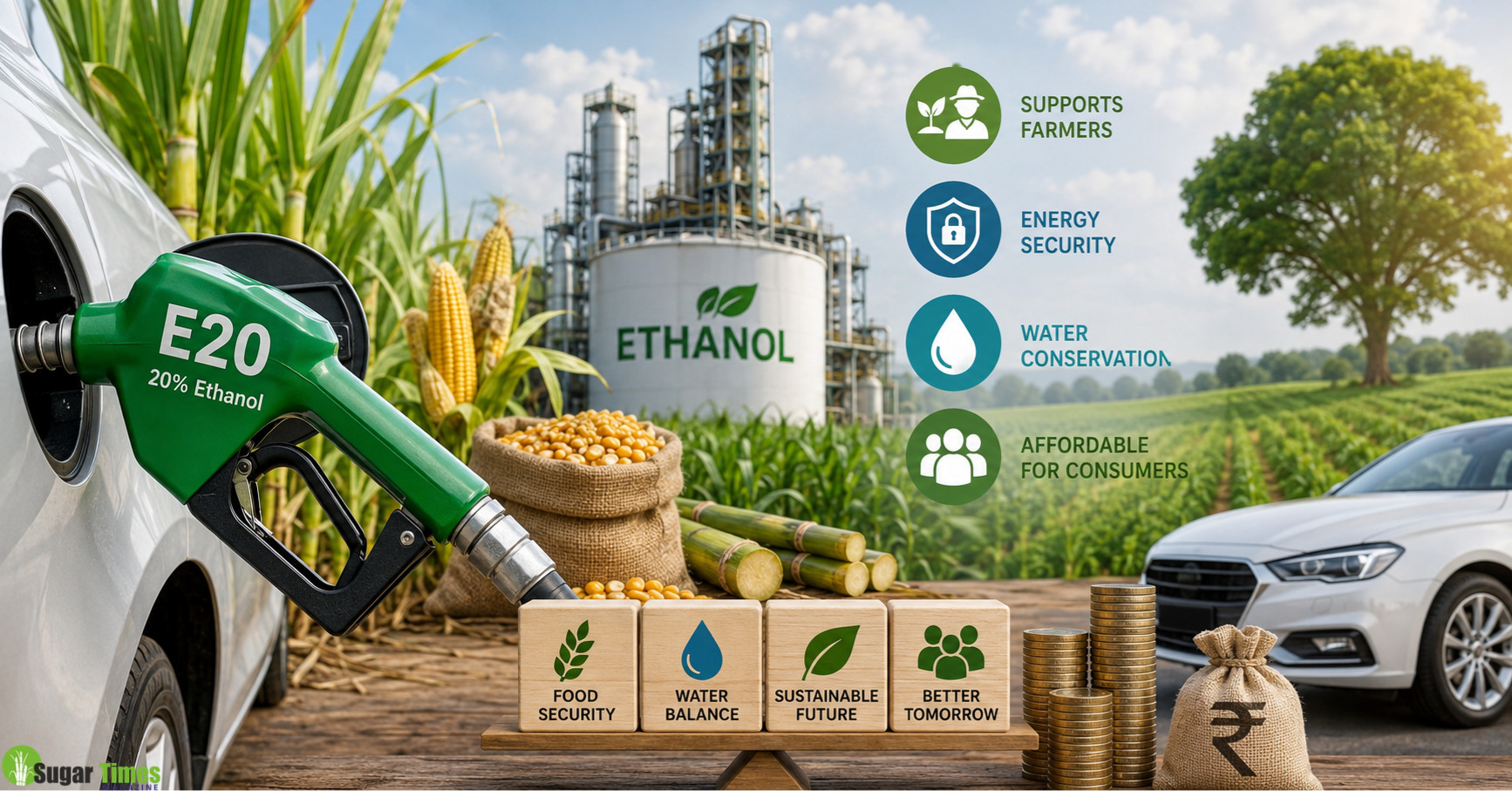
India's ethanol blending programme has emerged as one of the country's biggest clean energy initiatives. The government has successfully achieved its target of 20% ethanol blending (E20) in petrol ahead of schedule, reducing dependence on imported crude oil and creating new income opportunities for farmers and the sugar industry.
While the achievement has been widely celebrated, experts believe the next phase of the ethanol mission must focus not only on production targets but also on long-term sustainability. Questions surrounding food security, groundwater depletion, crop diversification, and the impact on consumers are becoming increasingly important as ethanol production expands.
E20 Milestone Marks a Major Energy Achievement
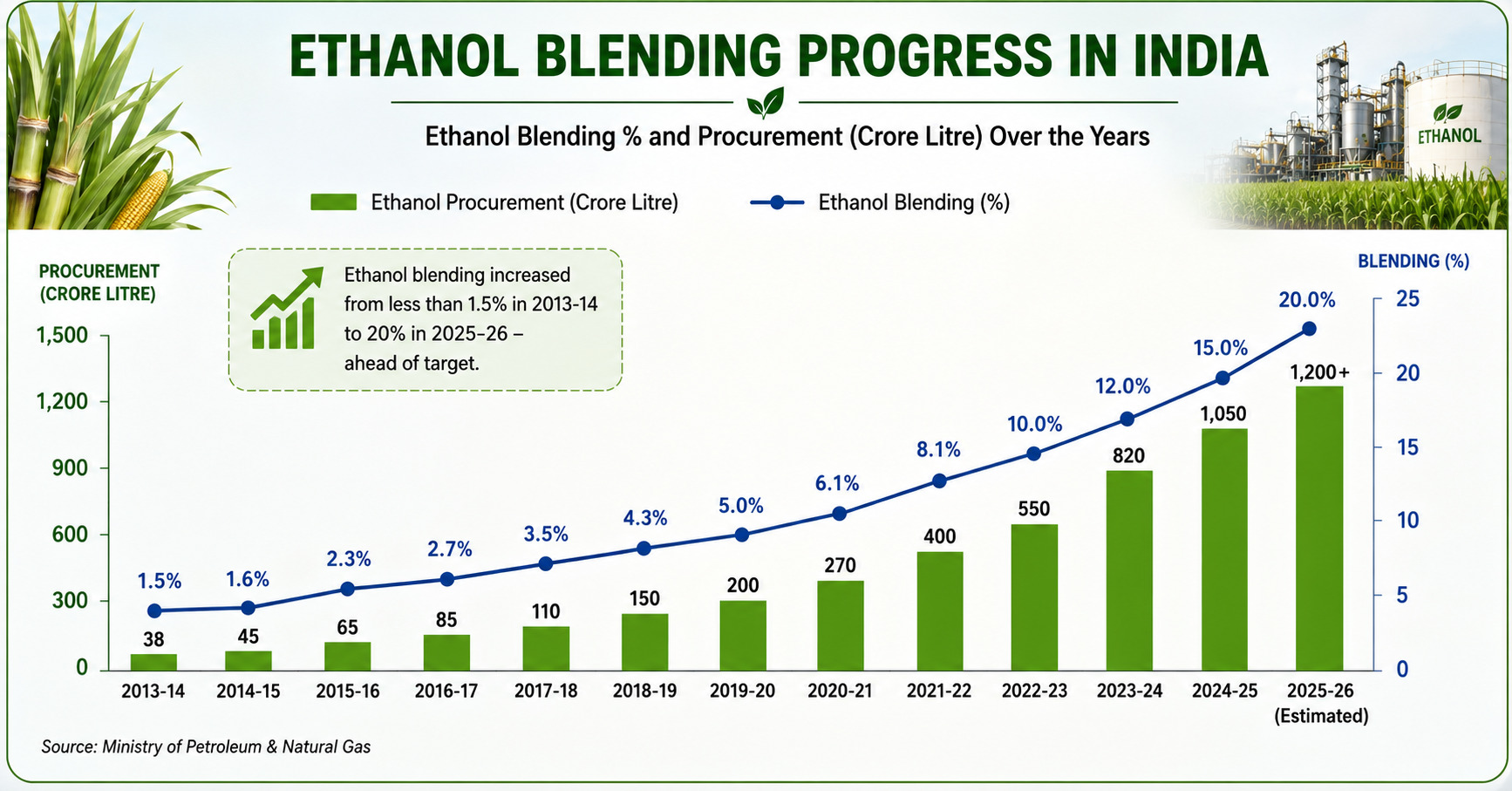
India has made remarkable progress in ethanol blending over the past decade. Ethanol blending increased from less than 1.5% in 2013-14 to 20% during 2025-26. During the same period, ethanol procurement is estimated to have grown from around 380 million litres to more than 12 billion litres.
According to the government, the programme has helped reduce crude oil imports, save valuable foreign exchange, lower carbon emissions, and provide an additional revenue stream for sugar mills, distilleries, and farmers.
Farmers Benefit, But Crop Balance Remains Essential
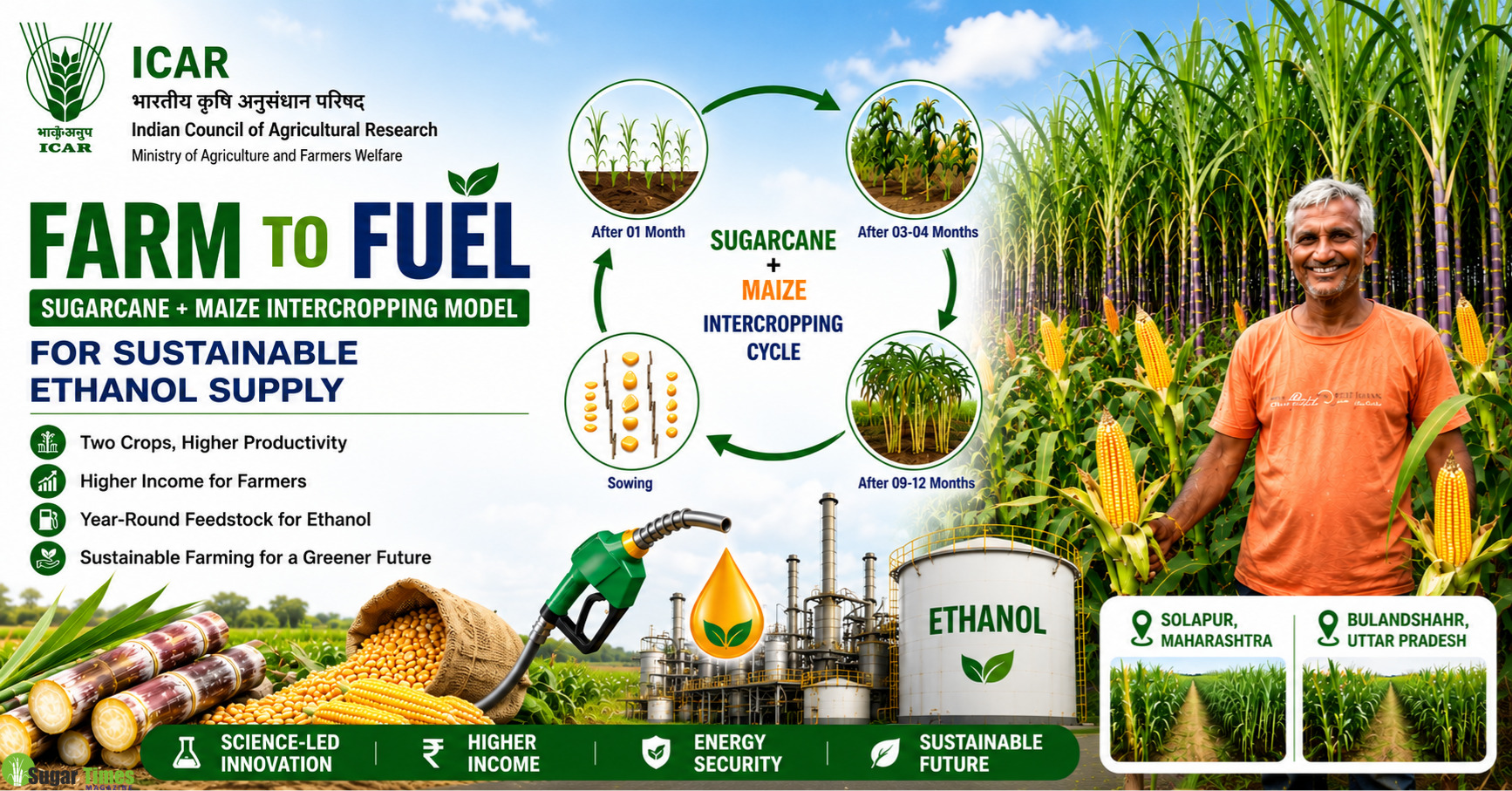
The rising demand for ethanol has significantly improved market opportunities for sugarcane and maize growers. Many sugar mills and distilleries have expanded their ethanol production capacity, creating new investment and employment opportunities across rural India.
However, agricultural experts caution that excessive cultivation of ethanol feedstock crops at the expense of pulses, oilseeds, and other food crops could create long-term food security concerns. India's ethanol roadmap also recommends reducing dependence on water-intensive sugarcane by encouraging maize, agricultural residues, and second-generation (2G) biofuels to create a more balanced feedstock mix.
Water Security Cannot Be Ignored
One of the biggest concerns surrounding India's ethanol expansion is water consumption.
Sugarcane remains among the country's most water-intensive crops. If ethanol production continues to rely heavily on sugarcane, groundwater resources and irrigation systems may face additional pressure, particularly in water-stressed regions.
Experts suggest that expanding ethanol production through maize, crop residues, and advanced biofuel technologies could reduce pressure on water resources while maintaining India's clean energy goals.
Food Prices and Consumer Impact
Another debate revolves around the use of food grains for fuel production.
If a larger share of maize and other grains is diverted towards ethanol manufacturing, food prices and livestock feed costs could rise over time. Policymakers therefore face the challenge of maintaining a careful balance between energy security and food availability.
Consumers have also raised questions regarding the performance of E20 fuel in older vehicles. While some vehicle owners report concerns about fuel efficiency, the government maintains that the impact is limited and that compatible vehicles are designed to operate efficiently on higher ethanol blends.
A Sustainable Ethanol Policy Requires Balance
India's ethanol programme represents an important step toward cleaner energy, reduced oil imports, and stronger rural incomes. However, the long-term success of the initiative will depend on achieving a balance between multiple national priorities.
A sustainable ethanol policy should ensure:
- Better and stable income for farmers.
- Protection of food security and affordable food prices.
- Efficient management of water resources.
- Greater use of low-water feedstocks and second-generation biofuels.
- Minimal impact on consumers and vehicle owners.
The Road Ahead
India has demonstrated that ambitious ethanol blending targets can be achieved. The next challenge is to ensure that the country's clean energy transition remains environmentally sustainable, economically viable, and socially inclusive.
As ethanol production continues to expand, policymakers, industry, and the farming community will need to work together to ensure that energy security does not come at the cost of food security, water conservation, or consumer welfare. A balanced approach will be essential for making India's ethanol mission a lasting success.