Rising Harvesting Costs Emerge as a Major Challenge
The rising cost of sugarcane harvesting and the shortage of agricultural labour have created new challenges for both the sugar industry and farmers in India. The country's two largest sugar-producing states—Maharashtra and Uttar Pradesh—are facing this issue, but their approaches to finding solutions differ significantly.
Maharashtra Leads in Mechanized Harvesting
Sugar mills in Maharashtra have rapidly adopted harvesting machines to address labour shortages and rising costs. For example, Vikasratna Vilasrao Deshmukh Manjara SSK Limited reportedly harvested nearly 100 percent of its sugarcane using mechanical harvesters during the 2025–26 crushing season.
At the state level, more than 30 percent of sugarcane harvesting in Maharashtra is now carried out using machines, reflecting the industry's growing reliance on mechanization.
Harvester Usage Remains Minimal in Uttar Pradesh
India currently has approximately 3,218 sugarcane harvesters in operation, of which around 2,200 are located in Maharashtra. In contrast, Uttar Pradesh is estimated to have only a handful of harvesters.
Other states such as Karnataka, Tamil Nadu, Telangana, Madhya Pradesh, and Punjab are also steadily increasing the use of harvesting machinery.
Different Operational Models Drive Different Outcomes
One of the key reasons for Maharashtra's success in mechanization lies in its operational model. In Maharashtra and Karnataka, sugar mills are generally responsible for arranging both sugarcane harvesting and transportation.
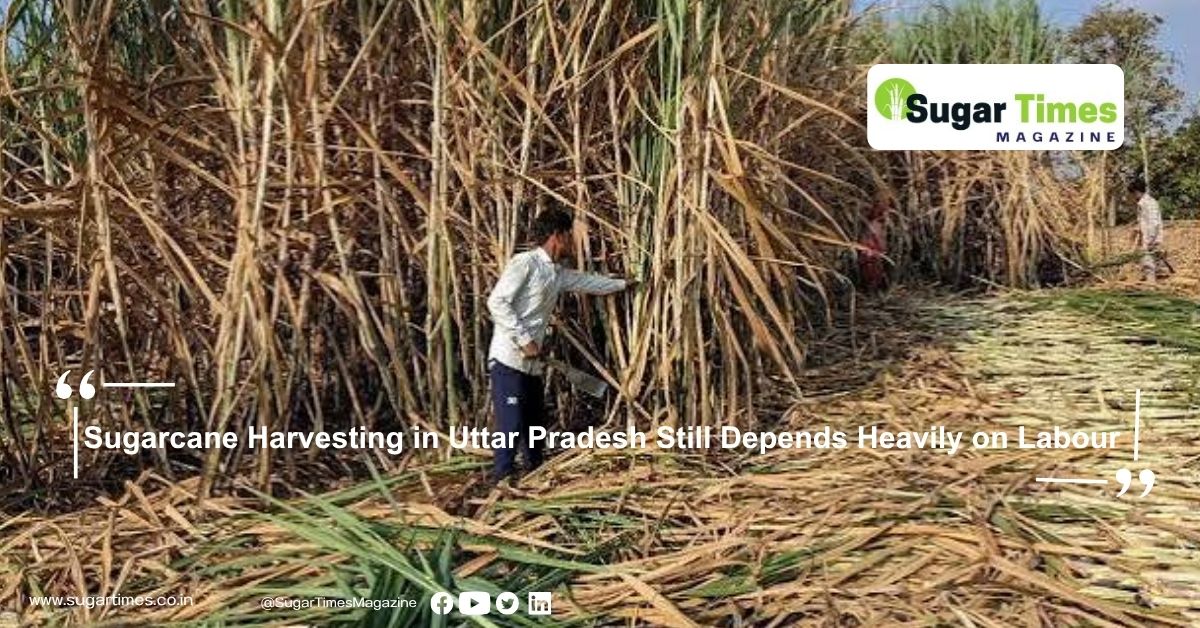
In Uttar Pradesh, however, farmers largely bear this responsibility themselves. As a result, mills in Maharashtra were quicker to adopt mechanization as a way to overcome labour shortages and reduce operational costs.
Labour Shortages Increase Demand for Harvesters
The shortage of farm workers continues to be a serious concern. Seasonal labour migration, increasing wages, and the growing difficulty of securing workers during peak harvesting periods have made harvesters an attractive and reliable alternative.
However, the high cost of these machines remains a major barrier. A single sugarcane harvester can cost between ₹1 crore and ₹1.25 crore, making ownership difficult for individual farmers.
Private Companies Playing an Important Role
Private manufacturers are also contributing to the mechanization drive. Tirth Agro Technology Private Limited has developed the Shaktiman Tejas Ultra Harvester, specifically designed for Indian farming conditions and smaller landholdings.
The machine is gaining popularity among farmers and is also being exported to international markets.
Why Mechanization Is Difficult in Uttar Pradesh
Uttar Pradesh has nearly 4.5 million sugarcane farmers, most of whom are small and marginal landholders. Because farms are often fragmented and relatively small, the use of large harvesters is not always practical.
In addition, under the state's cane supply scheduling system, farmers are required to deliver sugarcane to mills within designated timeframes, creating logistical challenges for large-scale mechanized harvesting.
Need for Smaller Harvesters
Industry experts believe Uttar Pradesh requires compact harvesters specifically designed for small and fragmented farms. Such machines should be capable of harvesting entire sugarcane fields efficiently while operating in limited spaces.
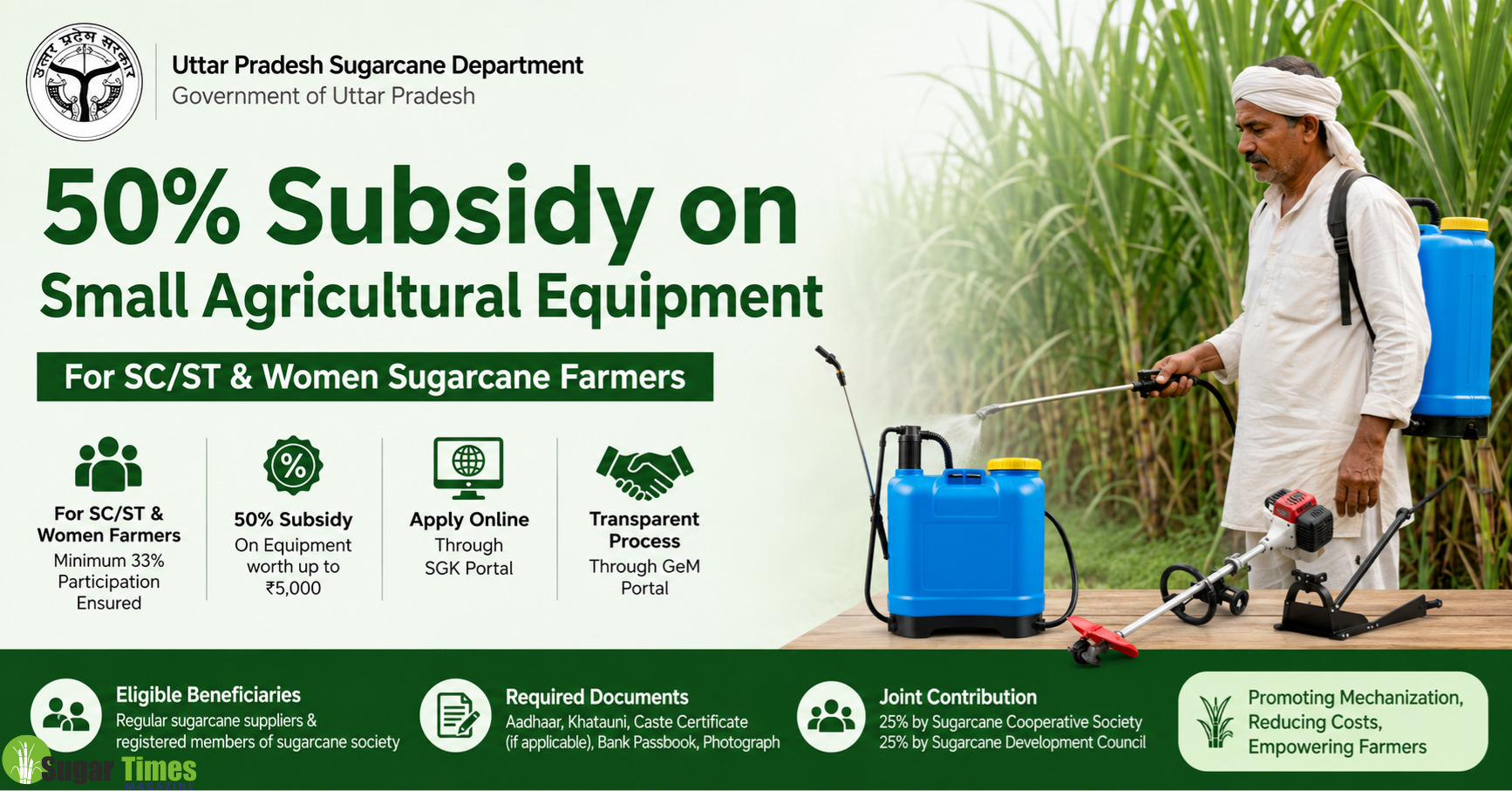
Farmers and industry stakeholders have urged the government to provide financial assistance, training programs, and technology solutions tailored to local conditions to encourage wider adoption.
Benefits for Farmers and Sugar Mills
Mechanical harvesting offers several advantages:
- Reduces labour costs significantly.
- Completes harvesting operations faster.
- Helps maintain cane quality by minimizing delays.
- Improves sugar recovery rates at mills.
- Cuts cane closer to the ground, ensuring that a larger sucrose-rich portion reaches the mill.
- Promotes better ratoon crop performance and subsequent yields.
As labour shortages continue and production costs rise, mechanization is expected to become increasingly important for ensuring the long-term sustainability and competitiveness of India's sugar industry.