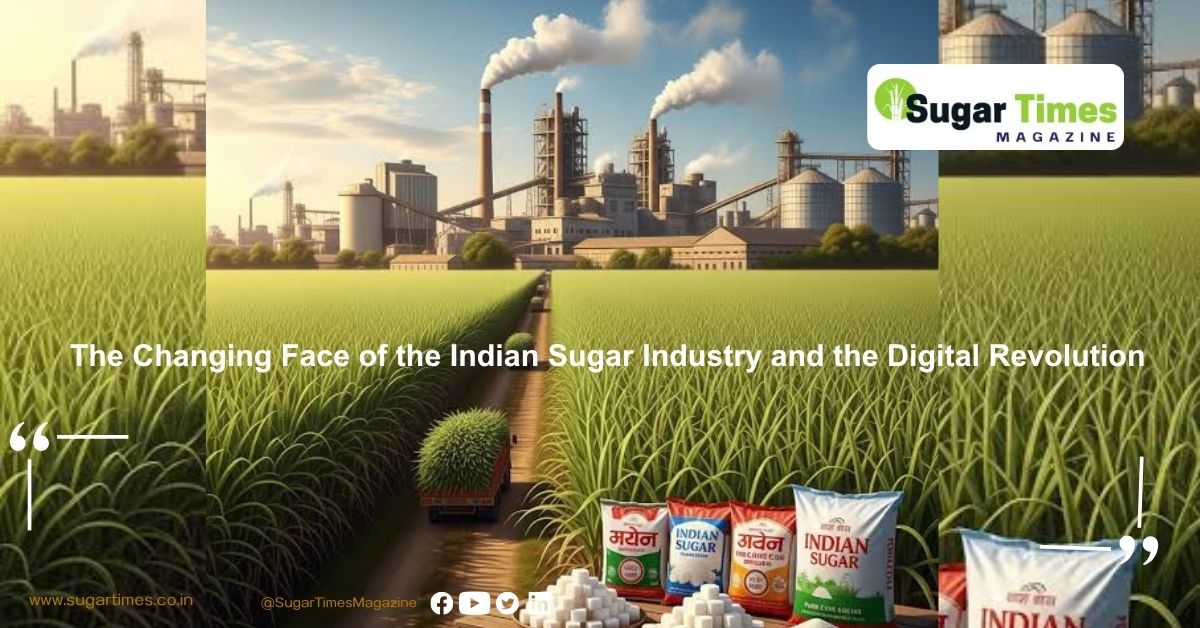
Today, the world is facing unprecedented challenges such as energy security, environmental protection, and sustainable development. Amid these circumstances, the Indian sugar industry is no longer confined to sugar production alone. It is rapidly evolving into a major hub of green energy and bio-refining, reflecting the country's vision of a cleaner and self-reliant future.
This transformation was prominently highlighted during the recent two-day international conference, “Future-Ready Sugar Industry: The Road to Sustainable Growth,” held in Lucknow, Uttar Pradesh. Experts emphasized that sugar mills must move beyond traditional business models and focus increasingly on by-products and value-added products. In the changing economic landscape, relying solely on sugar sales is becoming increasingly challenging for mills. Consequently, alternative energy sources such as ethanol blending, compressed biogas (CBG), and green hydrogen have emerged as key growth drivers for the sector.
The future of the Indian sugar industry will be shaped not only by traditional expertise but also by innovation and technology. The sector must move beyond simple automation towards autonomous operations. Modern technologies such as Artificial Intelligence (AI), data analytics, digital mapping, and advanced waste management systems are being integrated across the value chain—from sugarcane cultivation to mill operations.
The Government of Uttar Pradesh has played a significant role in this digital transformation through initiatives such as the Smart Ganna Kisan Yojana and the e-Ganna App. These platforms have digitized surveys, supply scheduling, calendaring, and payment-related processes, eliminating intermediaries and making the entire system more transparent and efficient. Additionally, the promotion of tissue culture technology and the proposed establishment of a dedicated sugarcane university in western Uttar Pradesh are expected to usher in a new era of disease-free and high-yield sugarcane cultivation.
Current geopolitical tensions in the Strait of Hormuz have disrupted sulfur imports and pushed global prices upward. At the same time, increasing consumer awareness regarding health and sustainability is creating demand for sulfur-free sugar production. This is not only a present necessity but also a forward-looking strategy for the industry.
The Government of India’s E20 ethanol blending policy, along with discussions around expanding it to E30, represents a strategic step towards strengthening the nation’s energy security. Plans to establish 5,000 new E100 fuel stations across the country and the growing introduction of flex-fuel vehicles by automobile manufacturers are helping turn the dream of fuel self-reliance into reality. However, policymakers must continue balancing these initiatives with concerns related to food security and water consumption.
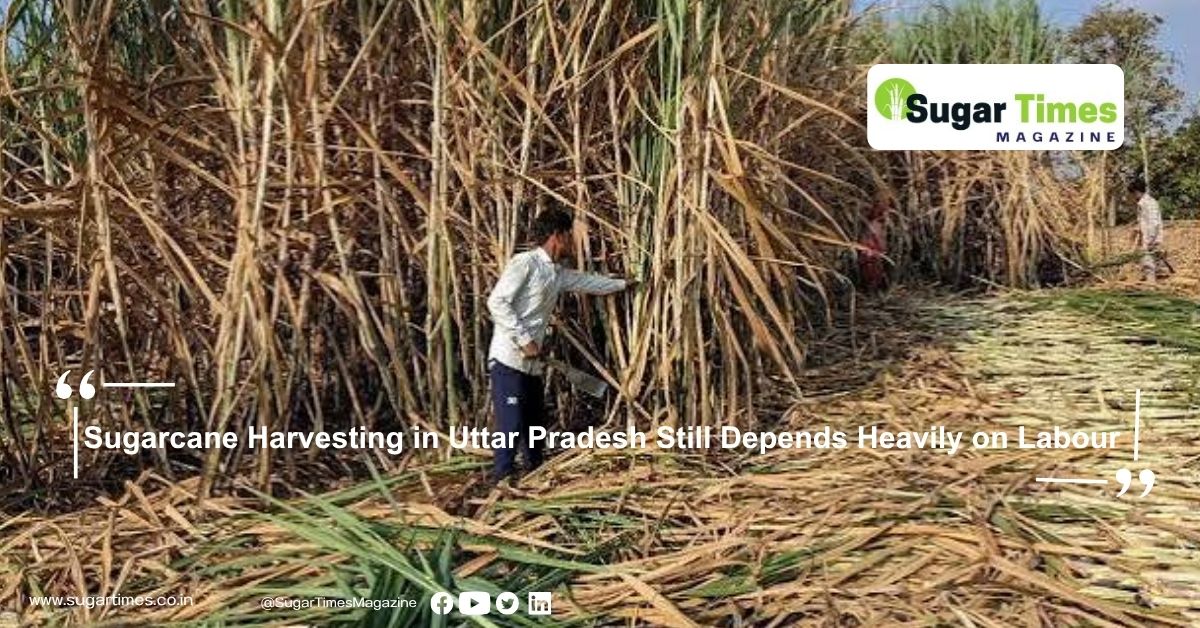
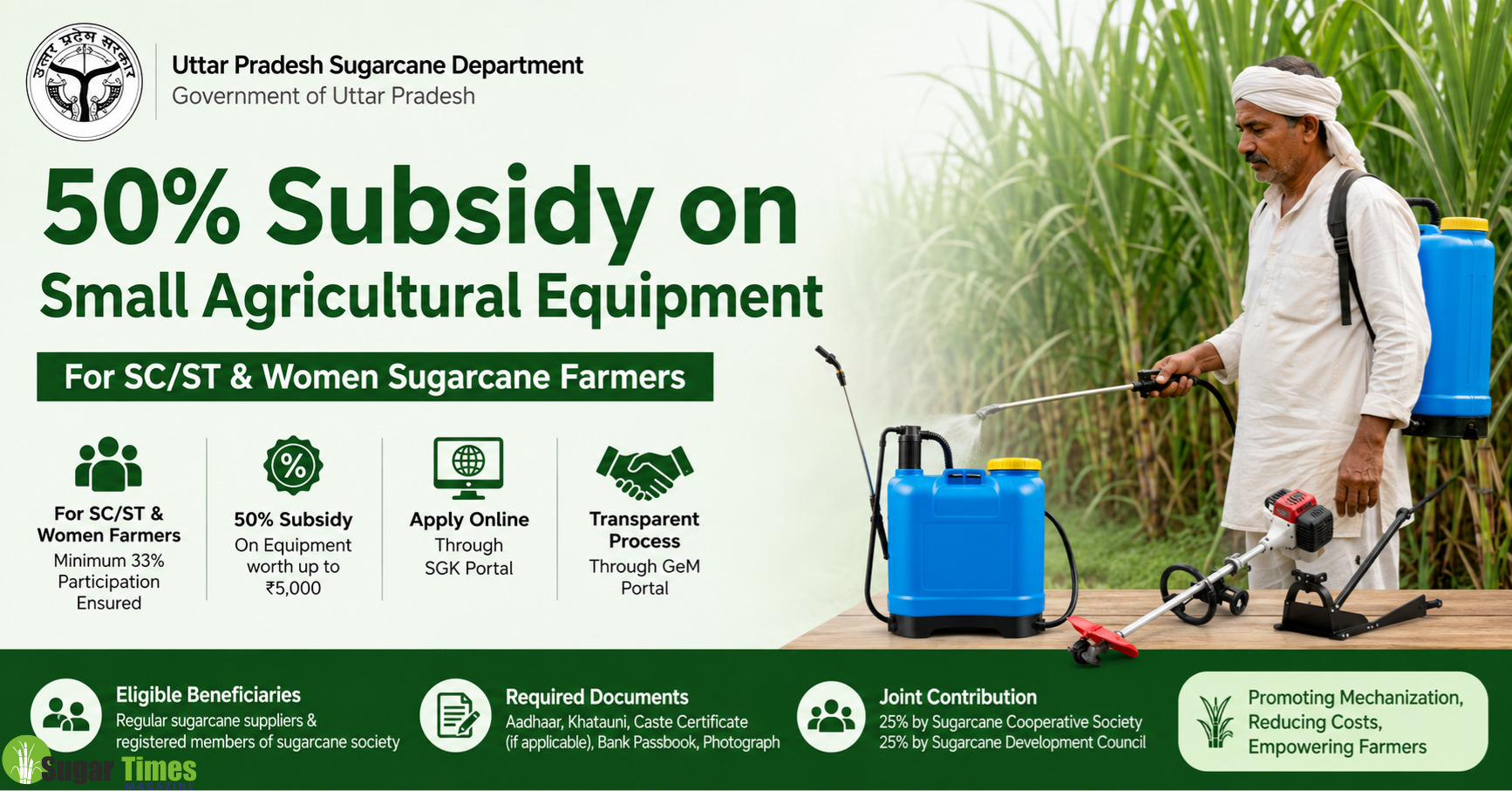
Labour shortages and rising costs in sugarcane harvesting have made mechanization increasingly important. The adoption of harvesters is essential, but considering the small and fragmented landholdings prevalent in Uttar Pradesh, there is an urgent need to develop compact and locally suitable harvesting machines that can effectively serve farmers.
The Indian sugar industry is currently undergoing an unprecedented digital and green transformation. Ensuring timely payment of the Fair and Remunerative Price (FRP) to farmers, maintaining the financial health of sugar mills, and promoting environmentally sustainable operations will be critical to shaping the industry's future. Achieving this balance will pave the way for a stronger, more resilient, and sustainable sugar sector in the years ahead.