Weak Monsoon Could Reduce Sugar Production, Tighten Ethanol Supplies and Challenge India's Clean Fuel Ambitions
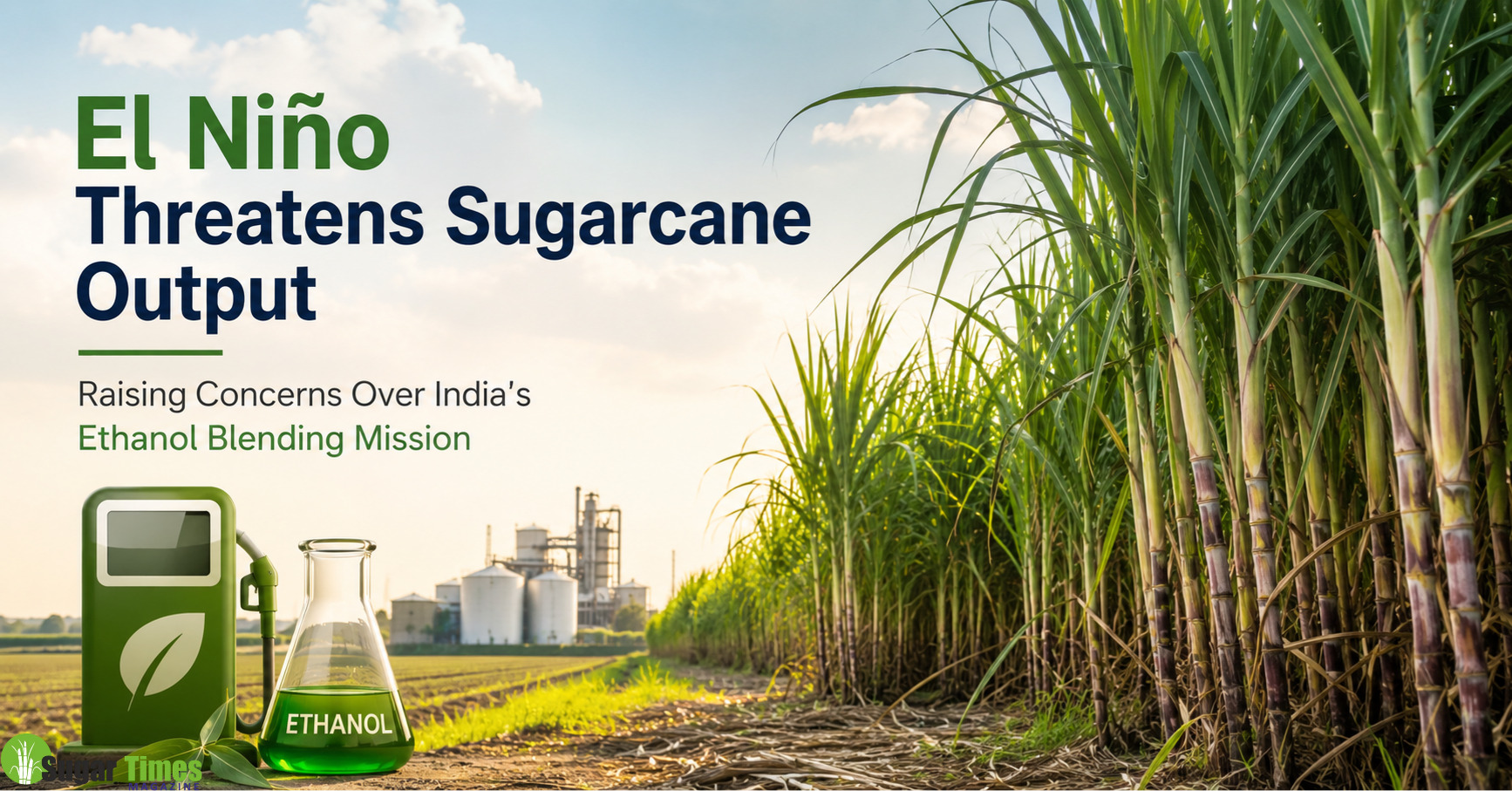
India's ambitious ethanol blending programme, a key part of its clean energy and fuel security strategy, could face fresh challenges as the return of El Niño is expected to weaken the 2026 southwest monsoon. Experts warn that lower rainfall may reduce sugarcane production, potentially affecting ethanol availability and creating fresh uncertainty for the country's biofuel goals.
The government has significantly expanded ethanol blending in petrol to reduce dependence on imported crude oil, lower vehicle emissions and increase farmers' income. However, because sugarcane remains one of the major raw materials used for ethanol production, any weather-related decline in crop output could disrupt the supply chain.
El Niño May Reduce Sugarcane Production
India Meteorological Department (IMD) has indicated that El Niño conditions are likely to continue through the current monsoon season, increasing the possibility of below-normal rainfall in several regions.
Sugarcane is among the most water-intensive crops cultivated in India. Insufficient rainfall and prolonged heat during important growth stages can reduce cane yield and sugar recovery, directly impacting sugar as well as ethanol production.
Agriculture experts note that water stress during the crop's tillering and elongation phases can significantly lower productivity, making sugarcane particularly vulnerable during weak monsoon years.
Impact on India's Ethanol Blending Programme
India has already accelerated its target of achieving 20 percent ethanol blending in petrol under the Ethanol Supply Year (ESY) 2025-26. The initiative has helped reduce fuel imports, improve energy security and create additional revenue opportunities for sugar mills and farmers.
However, if sugarcane production falls sharply, policymakers may have to prioritise domestic sugar availability over ethanol manufacturing. In such situations, diversion of sugarcane juice and molasses for ethanol production could be restricted to maintain adequate sugar supplies and control food inflation.
This balancing act has become increasingly important as both sugar consumption and ethanol demand continue to rise.
Sugar Exports May Remain Limited
Lower sugar production could also affect India's position in the global sugar market. Industry analysts believe India may have limited or no exportable sugar surplus over the next few seasons if production remains under pressure. Reduced exports from one of the world's largest sugar-producing countries could support international sugar prices while tightening supplies across Asia, Africa and the Middle East. India has already imposed restrictions on sugar exports to ensure adequate domestic availability, and future policy decisions will largely depend on crop performance during the ongoing monsoon.
Diversifying Ethanol Feedstocks
Recognising the risks associated with relying heavily on sugarcane, the government has been promoting alternative feedstocks for ethanol production.
Today, grain-based ethanol produced from maize, damaged food grains and surplus rice contributes a significant share of India's ethanol output. These alternatives help reduce dependence on sugarcane during years of poor rainfall.
In addition, second-generation ethanol projects that convert agricultural residues into biofuel are being developed to strengthen long-term energy security and reduce pressure on food crops.
Climate Change Adds New Challenges
Experts believe climate variability will increasingly influence India's agriculture and biofuel sectors. Extreme weather events such as El Niño can simultaneously affect crop production, food security and renewable energy targets.
Although there is no immediate indication that India's ethanol blending programme will miss its targets, continued uncertainty over monsoon performance highlights the importance of building a more resilient and diversified biofuel ecosystem.
Outlook
The actual impact of El Niño will depend on how the monsoon performs over the coming months. If rainfall improves, sugarcane production could remain stable. However, a prolonged rainfall deficit may reduce sugar output, limit ethanol production and require policymakers to carefully balance domestic sugar demand with clean fuel objectives.
India's ethanol mission remains on track, but the evolving climate situation underscores the growing connection between agriculture, energy security and sustainable development.