




New Delhi, January 29, 2026:
India’s ethanol-blended fuel programme has delivered major gains for energy security, saving the country over ₹1.44 lakh crore in foreign exchange and replacing nearly 245 lakh metric tonnes of crude oil by August 2025, according to the Economic Survey 2026.
However, the Survey cautions that the rapid expansion of the ethanol programme is also creating unintended risks for food security.
Government pricing policies that favour maize-based ethanol are encouraging farmers to shift away from growing pulses and oilseeds, crops that are essential for India’s nutrition and food stability.
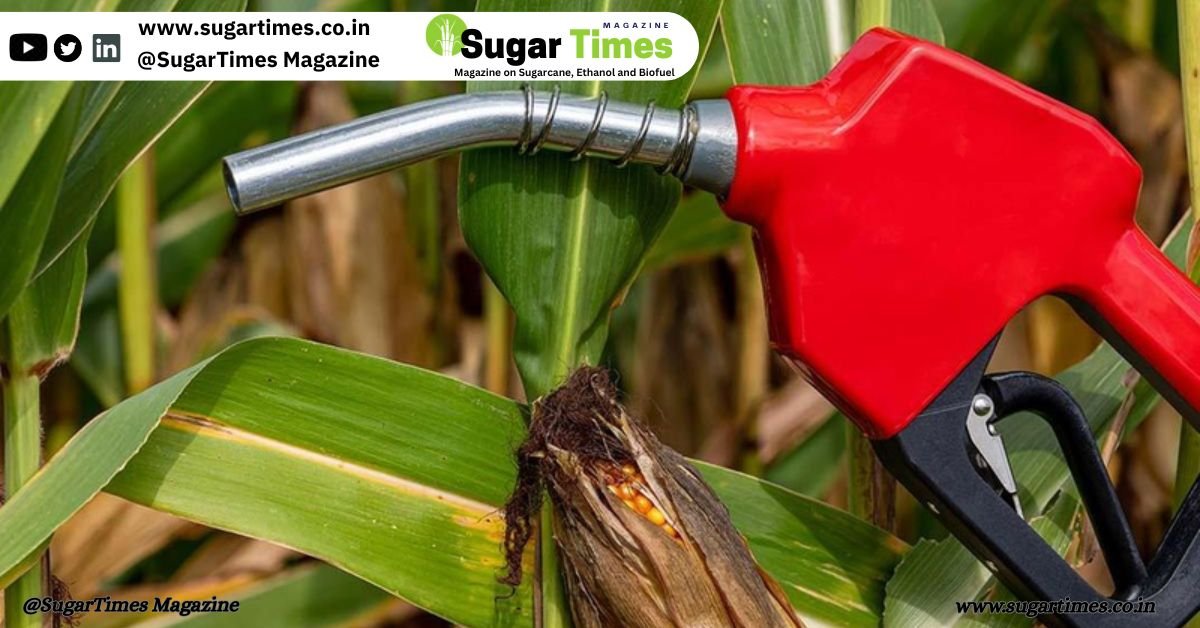
As India moves towards its E20 target—blending 20% ethanol with petrol—the programme has expanded beyond sugarcane to include food grains, especially maize.
Maize Gains, Pulses Lose Ground
The Survey noted that maize yields have risen sharply, increasing 48% since FY16 to reach 3.78 tonnes per hectare in FY25. In contrast, yields of key crops such as pulses, soybeans, sunflower, rapeseed, peanuts and millets have either stagnated or declined.
Between FY22 and FY25, prices for maize-based ethanol increased at a faster pace than those for rice or molasses-based ethanol, backed by assured purchases from oil marketing companies. This pricing advantage led to strong growth in maize cultivation and production.
Meanwhile, pulses saw a decline in both acreage and output, while oilseeds and other cereals recorded only modest growth. In states like Maharashtra and Karnataka, maize is increasingly competing with pulses, oilseeds, soybeans, millets and even cotton for land and resources.
The Survey also pointed out that the expected shift from water-intensive paddy rice to maize has largely failed to materialise.
Food vs Fuel
Pulses and oilseeds play a critical role in Indian diets, but the shift towards maize could increase India’s dependence on edible oil imports and make food prices more volatile.
The Survey highlighted a growing tension between two key goals of Aatmanirbharta—self-reliance in energy and self-reliance in food.
Drawing on global experience, the Survey warned that biofuel mandates and feedstock-specific pricing can permanently alter crop patterns if not carefully managed. Many countries with mature biofuel programmes have introduced caps, flexible pricing mechanisms, or shifted towards second-generation biofuels that do not compete with food crops.
“The Indian experience now shows similar early warning signs,” the Survey said.
To address this, the Survey called for a balanced, long-term strategy that protects both energy and food security. Suggested measures include improving yields of pulses and oilseeds, avoiding price distortions that favour one crop, and aligning ethanol feedstock choices with regional agricultural strengths.
The aim, it said, is to retain the economic benefits of ethanol blending without compromising nutrition, food security, or farmer diversity.


