




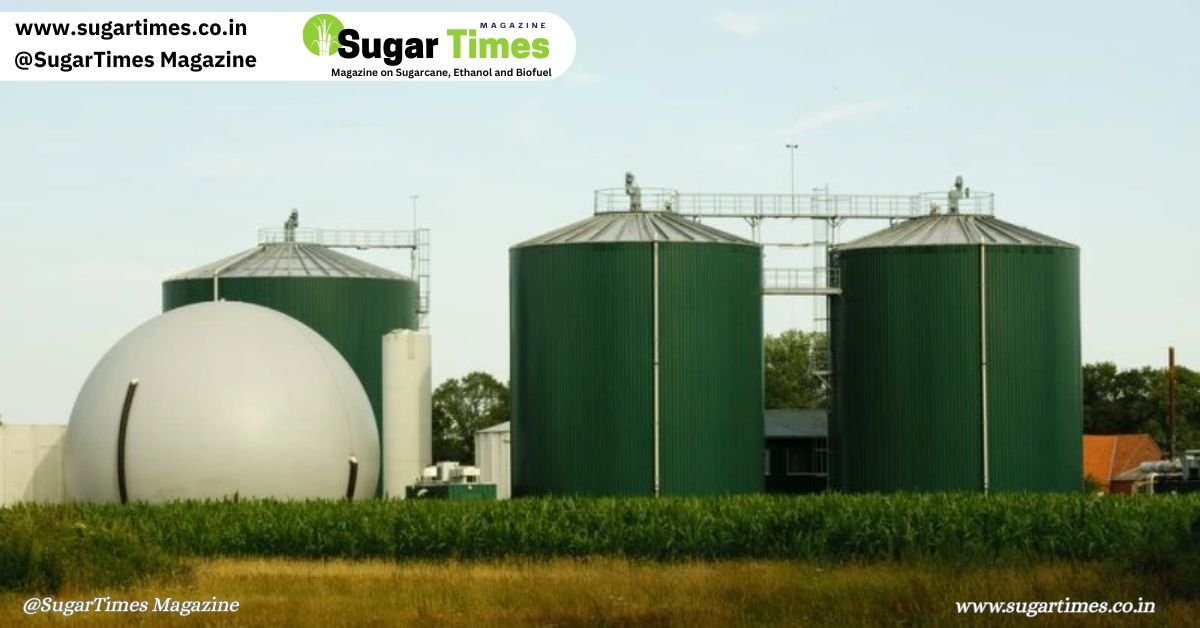
Kolhapur hosted an all-India seminar by the Sugar Technologists’ Association of India (STAI) on January 19, focusing on the role of Bio-CNG in the circular economy and its potential to strengthen the sugar industry. Around 150 delegates from across the country attended the event, underlining rising interest in clean energy solutions and sustainable industrial practices.
The seminar brought together senior leaders from the sugar sector, including Prakash Awade, Director of Kallappanna Awade Jawahar SSSK Ltd; Sanjay Awasthi, President of STAI; Sambhaji Kadu Patil, Director General of the Vasantdada Sugar Institute; M.G. Joshi, Managing Director of Kallappanna Awade Jawahar SSSK Ltd; and Sohan Shirgaokar, President of DSTA.
Addressing the gathering, STAI President Sanjay Awasthi said India has immense potential for Bio-CNG production due to the abundant availability of agricultural residues, food waste, bagasse and other organic materials. He said wider adoption of renewable energy sources such as solar, wind and Bio-CNG could significantly reduce dependence on conventional fuels, though consistent long-term efforts would be required.
Awasthi noted that the sugar industry is ideally positioned to lead Bio-CNG production by using by-products like press mud. He pointed out that several large companies are already planning Bio-CNG projects and cited examples from European countries, including Switzerland, where such plants are widely used. He added that sugar factories could generate additional revenue and contribute to national energy security by setting up Bio-CNG units.
M.G. Joshi said the sugar sector enjoys a natural advantage in compressed biogas production because of easy access to raw materials such as bagasse, press mud and spent wash. He said government policies and incentives are creating strong opportunities for mills to invest in this area.
Sambhaji Kadu Patil stressed the need for diversification in the sugar industry and called for the adoption of a bio-refinery model. He explained that sugar mills face multiple challenges, including price controls, limited crushing seasons and rising capacities. According to him, a bio-circular economy approach would allow mills to convert by-products into Bio-CNG, organic manure and other value-added products without impacting sugar production. This, he said, would improve sustainability, protect the environment, enhance energy self-reliance and benefit farmers.
Prakash Awade highlighted the importance of adequate storage infrastructure for Bio-CNG projects and urged the industry to plan such facilities carefully to ensure long-term success.
The seminar also included technical presentations by experts from industry, academia and technology firms, giving participants practical insights into Bio-CNG technologies and the future roadmap for the sector.


